Best Credit Card Application Tips For Higher Approval Chances: Increase Your Odds Of Getting Approved!

Kicking off with Best Credit Card Application Tips for Higher Approval Chances, this guide aims to help you navigate the credit card application process with ease and boost your approval chances significantly. Whether you’re new to credit cards or looking to improve your credit score, these tips will set you on the right path to financial success.
Exploring key areas such as researching credit card options, understanding eligibility criteria, improving your credit score, completing the application form accurately, and choosing the right card for your needs, this comprehensive guide covers all the essential steps to optimize your chances of credit card approval.






Researching Credit Card Options
When it comes to applying for a credit card, it’s crucial to research different options available to you before making a decision. This can greatly impact your chances of approval and help you find a card that best suits your financial needs.
Comparing Interest Rates, Rewards Programs, and Fees
- Interest Rates: Compare the annual percentage rates (APRs) of different credit cards to understand the cost of borrowing money. Lower APRs mean less interest paid over time.
- Rewards Programs: Look into the rewards offered by each credit card, such as cashback, travel points, or discounts. Choose a card that aligns with your spending habits and preferences.
- Fees: Consider the annual fees, late payment fees, foreign transaction fees, and other charges associated with the credit card. Opt for a card with manageable fees that won’t break the bank.
Credit Scores and Approval Chances
- Your credit score plays a significant role in determining your approval chances for a credit card. A higher credit score indicates responsible credit management and can lead to better offers and higher approval rates.
- Before applying for a credit card, check your credit score and report. Address any errors or negative items that could be impacting your score to improve your chances of approval.
Understanding Eligibility Criteria
When applying for a credit card, it is important to understand the eligibility criteria set by the card issuer. Meeting these criteria increases your chances of approval and obtaining the credit card you desire.
Income, credit history, and debt levels play a significant role in determining your eligibility for a credit card. Card issuers typically require applicants to have a steady source of income to ensure they can make timely payments. A good credit history demonstrates your ability to manage credit responsibly, while high levels of debt may raise concerns about your ability to repay new credit.
Common Eligibility Criteria
- Minimum Age Requirement: Most credit card issuers require applicants to be at least 18 years old.
- Income Requirement: Applicants must have a certain level of income to qualify for a credit card.
- Credit History: A good credit score and history are often necessary for approval.
Documents Needed for Proof of Eligibility
- Pay Stubs: Recent pay stubs can show your income level and stability.
- Tax Returns: Providing tax returns can help verify your income and financial situation.
- Bank Statements: Issuers may request bank statements to assess your financial health and ability to manage credit.
Improving Credit Score
Improving your credit score is essential to increase your chances of approval when applying for a credit card. Lenders use your credit score to determine your creditworthiness, so a higher score can lead to better approval odds and terms.
Paying Bills on Time
- Set up automatic payments or reminders to ensure you never miss a payment.
- Pay at least the minimum amount due on time each month to avoid late fees and negative marks on your credit report.
- Consistent on-time payments can help boost your credit score over time.
Reducing Credit Utilization
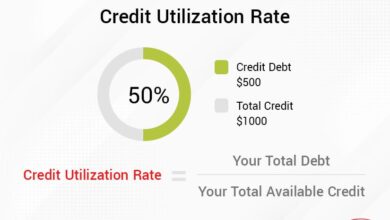
- Try to keep your credit card balances below 30% of your credit limit to improve your credit utilization ratio.
- Paying off balances in full each month can also help lower your credit utilization and improve your score.
- Consider requesting a credit limit increase to lower your utilization ratio, but be cautious not to increase your spending.
Checking Credit Reports for Errors
- Regularly review your credit reports from all three major credit bureaus (Experian, Equifax, TransUnion) for any errors or inaccuracies.
- If you find any mistakes, file a dispute with the credit bureau to have them corrected.
- Monitoring your credit report can help you catch potential issues early and maintain a healthy credit score.
Completing the Application Form
When it comes to applying for a credit card, completing the application form accurately is crucial for increasing your chances of approval. Providing the right information ensures that the credit card company has all the details they need to assess your application properly.
Essential Information Required
- Personal Details: Make sure to fill in your name, address, contact information, and date of birth correctly. Any discrepancies in this information can lead to delays or rejections.
- Income: It’s important to provide accurate details about your income, including your salary, additional sources of income, and any other financial assets you may have.
- Employment Information: Include your current employment status, employer’s name, job title, and how long you’ve been with the company. This helps the credit card issuer assess your ability to repay the credit.
Remember, providing false information on your credit card application is considered fraud and can have serious consequences.
Reviewing the Application
Before submitting your credit card application, take the time to review all the information you’ve provided. Check for any errors or missing details that could impact the approval process. It’s essential to ensure that everything is accurate and up to date to avoid unnecessary delays.
Choosing the Right Card for Your Needs
When it comes to selecting a credit card, it’s important to match the features of the card with your individual spending habits and lifestyle. This can help you maximize the benefits you receive and make the most out of your card usage. Here are some tips on how to choose the right card for your needs.
Types of Credit Cards
- Travel Rewards Cards: Ideal for frequent travelers, these cards offer points or miles that can be redeemed for travel-related expenses.
- Cashback Cards: These cards provide a percentage of your spending back to you in the form of cash rewards, making them great for everyday purchases.
- Secured Cards: Designed for individuals with limited or poor credit history, these cards require a security deposit but can help build or rebuild credit.
Aligning Benefits with Financial Goals
- Consider your financial goals, whether it’s earning rewards for travel, saving money on everyday purchases, or improving your credit score.
- Look for cards with sign-up bonuses, low interest rates, or specific rewards categories that align with your spending habits.
- Compare annual fees, foreign transaction fees, and other charges to ensure they fit within your budget and financial plans.
Outcome Summary
In conclusion, by following these Best Credit Card Application Tips for Higher Approval Chances, you’ll be well-equipped to make informed decisions, increase your creditworthiness, and secure the credit card that aligns perfectly with your financial goals. Take charge of your financial future starting today!