Delving into How to Apply for High Limit Credit Cards Without Rejection, this introduction immerses readers in a unique and compelling narrative, with a casual formal language style that is both engaging and thought-provoking from the very first sentence.
When considering high limit credit cards, it’s crucial to navigate the application process strategically to avoid rejections. With the right approach, you can increase your chances of approval and secure the credit limit you desire.






Research High Limit Credit Cards
When looking for high limit credit cards, it is important to research reputable financial institutions that offer such cards. By comparing the benefits and features of various high limit credit cards available in the market, you can make an informed decision on which card best suits your needs. Additionally, understanding the eligibility criteria for high limit credit cards will help you determine if you qualify for these cards.
Identify Reputable Financial Institutions
- Research well-known banks and credit card issuers known for offering high limit credit cards.
- Check online reviews and ratings to gauge the reputation and reliability of the financial institutions.
- Consider the customer service and rewards programs offered by these institutions.
Compare Benefits and Features
- Look into the rewards programs, cashback offers, travel benefits, and other perks associated with different high limit credit cards.
- Compare interest rates, annual fees, and any introductory offers provided by the credit card issuers.
- Consider the credit limit, credit utilization ratio, and any additional fees associated with the cards.
Understand Eligibility Criteria
- Check the minimum income requirements set by the financial institutions for high limit credit cards.
- Ensure you have a good credit score to qualify for these cards.
- Be aware of any other eligibility criteria such as employment status, age requirements, and residency status.
Improve Credit Score
Having a good credit score is essential when applying for high limit credit cards as it significantly increases your chances of approval. Lenders use your credit score to assess your creditworthiness and ability to manage credit responsibly.
Tips to Improve Credit Score
- Pay your bills on time: Late payments can have a negative impact on your credit score. Set up automatic payments or reminders to ensure timely payments.
- Reduce debt: High levels of debt relative to your credit limits can hurt your credit score. Aim to pay down your balances to improve your credit utilization ratio.
- Monitor your credit report: Regularly check your credit report for errors and report any discrepancies to the credit bureaus to maintain an accurate credit profile.
- Avoid opening too many new accounts: Opening multiple new accounts in a short period can signal financial distress and lower your credit score.
Impact of Credit Utilization Ratio
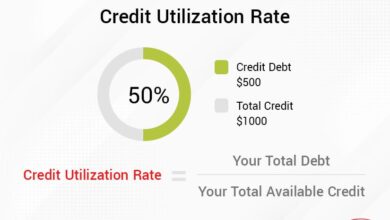
The credit utilization ratio is the amount of credit you are using compared to your total available credit. It is an important factor in determining your credit score and can influence your ability to qualify for high limit credit cards.
Aim to keep your credit utilization ratio below 30% to demonstrate responsible credit management and improve your credit score.
Understand Income Requirements
Income requirements play a crucial role in determining eligibility for high limit credit cards. Lenders assess your income to ensure you can manage the credit limit responsibly. Understanding the minimum income requirements and the significance of income stability is essential for a successful application process.
Minimum Income Requirements for High Limit Credit Cards
- High limit credit cards typically require a minimum income of $50,000 to $100,000 per year, depending on the card issuer.
- Lenders may also consider other sources of income, such as investments or rental income, in addition to your salary.
Importance of Income Stability
- Income stability demonstrates your ability to repay debt consistently, making you a lower risk for lenders.
- Lenders prefer applicants with stable income sources, such as regular employment or steady business income.
Debt-to-Income Ratio Calculation
- Your debt-to-income ratio is calculated by dividing your total monthly debt payments by your gross monthly income.
- A lower debt-to-income ratio indicates that you have more disposable income to manage additional credit responsibly.
- Most lenders prefer a debt-to-income ratio below 36%, but for high limit credit cards, a ratio below 30% is ideal.
Prepare Required Documents
When applying for a high limit credit card, having the necessary documents ready is crucial to a successful application process. Organizing and submitting these documents efficiently can streamline the process and increase your chances of approval.
List of Necessary Documents
- Valid photo identification (such as a driver’s license or passport)
- Proof of income (payslips, tax returns, or bank statements)
- Social Security number or Individual Taxpayer Identification number
- Proof of address (utility bills or bank statements)
- Additional documents requested by the credit card issuer
Tips for Organizing and Submitting Documents
- Make sure to have clear, legible copies of all required documents.
- Double-check that all information is accurate and up-to-date before submitting.
- Create a checklist to ensure you have all the necessary documents before starting the application process.
- Submit the documents in the format specified by the credit card issuer to avoid delays in processing.
- Keep copies of all documents for your records in case they are requested during the application review.
Importance of Accurate Documentation
Accurate documentation is essential for a successful application for a high limit credit card. Providing precise information helps the credit card issuer verify your identity, income, and creditworthiness. Any discrepancies or missing information could lead to rejection or delays in the approval process. By ensuring all documents are accurate and complete, you increase your chances of securing the high limit credit card you desire.
Avoid Multiple Applications
When applying for high limit credit cards, it is crucial to avoid submitting multiple applications simultaneously. Doing so can significantly increase the likelihood of rejections and have a negative impact on your credit score.
Impact of Multiple Applications
Submitting multiple applications for credit cards within a short period can result in multiple hard inquiries on your credit report. Each hard inquiry can lower your credit score by a few points, and having several inquiries in a short span of time can signal to lenders that you are in financial distress or a higher credit risk.
- Each hard inquiry stays on your credit report for up to two years.
- Multiple hard inquiries can give the impression that you are desperate for credit.
- Having too many inquiries can make lenders hesitant to approve your application.
Remember, a high number of hard inquiries on your credit report can have a lasting impact on your credit score.
Strategies to Avoid Multiple Applications
To avoid the temptation of applying for multiple high limit credit cards at once, consider the following strategies:
- Research and choose the best-suited credit card based on your needs and credit profile.
- Pre-qualify for credit cards to assess your likelihood of approval without impacting your credit score.
- Focus on improving your credit score before applying for a new credit card to increase your chances of approval.
- Resist the urge to apply for multiple cards just to compare offers, as this can harm your credit score.
Conclusion
In conclusion, mastering the art of applying for high limit credit cards without facing rejection involves thorough research, credit score improvement, understanding income requirements, preparing essential documents, and avoiding common pitfalls like multiple applications. By following these steps diligently, you can position yourself for success in obtaining the high limit credit card that suits your financial needs.