How to Build Credit Score to Unlock High Limit Credit Cards sets the stage for this enthralling narrative, offering readers a glimpse into a story that is rich in detail with casual formal language style and brimming with originality from the outset.
Understanding the nuances of credit scores, factors affecting them, building credit history, increasing credit limits, and finally unlocking high limit credit cards are key components that will be explored in this guide.






Understanding Credit Scores
A credit score is a numerical representation of an individual’s creditworthiness, based on their credit history and financial behavior. It is calculated using a variety of factors such as payment history, credit utilization, length of credit history, types of credit used, and new credit accounts.
Credit Score Importance
Your credit score plays a crucial role in various financial decisions, including loan approvals, interest rates, and even job opportunities. A high credit score can open doors to lower interest rates on loans and credit cards, while a low credit score may limit your financial options and result in higher interest rates.
Credit Score Ranges
- Poor (300-579): Individuals in this range may have difficulty getting approved for credit and may face high interest rates if approved.
- Fair (580-669): While better than poor, individuals in this range may still struggle to get favorable terms on credit products.
- Good (670-739): This range indicates a solid credit history and may qualify for better rates and terms.
- Very Good (740-799): Individuals in this range are likely to receive competitive offers and favorable terms.
- Excellent (800-850): The highest range, indicating an exceptional credit history, with access to the best offers and rates.
Factors Affecting Credit Scores
When it comes to credit scores, there are several key factors that can have a significant impact on your overall score. Understanding these factors is essential in managing and improving your creditworthiness.
Payment History
Your payment history is one of the most critical factors that influence your credit score. It accounts for about 35% of your total score. Making on-time payments consistently is vital for maintaining a positive payment history. Late payments, defaults, or bankruptcies can have a detrimental effect on your credit score.
Credit Utilization
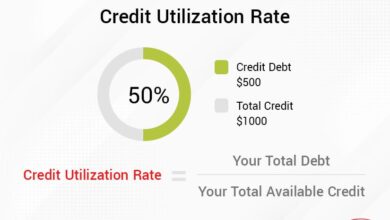
Credit utilization refers to the amount of credit you are using compared to the total amount of credit available to you. It is recommended to keep your credit utilization below 30% to maintain a healthy credit score. High credit utilization can signal to lenders that you may be overextended financially.
Length of Credit History
The length of your credit history accounts for about 15% of your credit score. Having a longer credit history can be beneficial as it provides a more comprehensive picture of your creditworthiness. It is essential to establish credit early and maintain accounts over time to improve this factor.
New Credit
Opening multiple new credit accounts within a short period can negatively impact your credit score. Each new account generates a hard inquiry on your credit report, which can lower your score temporarily. It is advisable to space out credit applications and only apply for credit when necessary.
Credit Mix
Having a diverse mix of credit accounts, such as credit cards, loans, and a mortgage, can positively impact your credit score. This factor accounts for about 10% of your total score. It demonstrates to lenders that you can manage various types of credit responsibly.
Building Credit History
Building credit history is crucial for establishing a solid financial foundation. It allows you to demonstrate your creditworthiness to lenders, which can help you qualify for loans, mortgages, and high limit credit cards in the future.
Start with a Secured Credit Card
If you are new to credit or have a limited credit history, a secured credit card can be a great way to start building credit. With a secured card, you provide a security deposit that acts as your credit limit. Make small purchases and pay your bill on time each month to establish a positive payment history.
Importance of Responsible Credit Card Use
Using a credit card responsibly is key to building credit history. Make sure to pay your bill on time, keep your credit utilization low, and avoid carrying a balance from month to month. Responsible credit card use shows lenders that you can manage credit wisely.
Alternative Ways to Build Credit
- Consider becoming an authorized user on someone else’s credit card account. This allows you to benefit from their positive credit history.
- Take out a credit-builder loan from a credit union or community bank. These loans are designed to help you establish credit.
- Apply for a credit-builder credit card, which is specifically designed for individuals looking to build or rebuild credit.
Increasing Credit Limits
When it comes to credit cards, the credit limit is the maximum amount of money you can borrow using the card. Credit card companies determine your credit limit based on various factors, including your credit score, income, payment history, and overall creditworthiness.
Credit Limit Determination Factors
- Credit Score: A higher credit score generally leads to a higher credit limit as it indicates a lower risk to the credit card issuer.
- Income: A higher income can also result in a higher credit limit as it demonstrates your ability to repay debts.
- Payment History: Timely payments on your existing credit accounts can show responsible financial behavior and may lead to a credit limit increase.
Strategies to Increase Credit Limits
- Make Timely Payments: Pay your credit card bills on time to show reliability and potentially qualify for a credit limit increase.
- Responsible Credit Utilization: Keep your credit utilization ratio low by using only a small portion of your available credit, which can help in requesting a credit limit increase.
- Regularly Monitor Your Credit Score: Keep track of your credit score and credit report to ensure there are no errors affecting your creditworthiness.
Requesting a Credit Limit Increase
- Contact Your Credit Card Issuer: Reach out to your credit card issuer either through their website or customer service phone number to request a credit limit increase.
- Explain Your Situation: Clearly state why you are requesting a credit limit increase, such as improved financial stability or increased income.
- Be Prepared for a Credit Check: Some credit card issuers may perform a credit check before approving a credit limit increase, so be aware of this possibility.
Unlocking High Limit Credit Cards
High limit credit cards are credit cards that offer a substantial credit limit, allowing cardholders to make larger purchases and access more credit. These cards are typically reserved for individuals with a strong credit history and a good credit score.
Criteria Considered by Credit Card Issuers
- Credit Score: Credit card issuers look for a high credit score, usually above 700, to offer high limit credit cards.
- Income: A higher income level shows the ability to repay debts, making you more eligible for a high limit credit card.
- Payment History: A consistent history of making on-time payments reflects responsible credit behavior.
- Credit Utilization: Keeping credit card balances low in relation to credit limits demonstrates responsible credit usage.
Strategies to Obtain High Limit Credit Cards
- Improve Credit Score: Regularly checking your credit report, paying bills on time, and reducing debt can help increase your credit score.
- Apply for Cards Matching Your Credit Profile: Research and apply for credit cards that align with your credit score to increase your chances of approval.
- Request Credit Limit Increases: Once you have a credit card, responsible use and on-time payments can lead to credit limit increases over time.
- Consider Secured Credit Cards: Securing a credit card with a cash deposit can help build credit and eventually qualify for high limit credit cards.
End of Discussion
In conclusion, mastering the art of building credit score not only unlocks high limit credit cards but also opens doors to various financial opportunities. By implementing the strategies discussed, individuals can pave the way for a solid financial future.