How To Get Approved For High Limit Cards As A Beginner: Mastering The Basics For Financial Success

How to Get Approved for High Limit Cards as a Beginner sets the stage for those embarking on their credit journey, offering essential insights and strategies for navigating the world of credit cards effectively.
Understanding the nuances of credit limits, building a solid credit history, choosing the right card, and managing finances responsibly are key pillars explored in this comprehensive guide.






Research and Understanding
Researching credit card options is crucial for beginners looking to get approved for high limit cards. It allows you to compare various features, benefits, and credit limits offered by different cards, helping you make an informed decision.
Importance of Understanding Credit Limits
Understanding credit limits is essential in choosing the right card that aligns with your financial goals and spending habits. It helps you determine the maximum amount you can borrow and spend without risking your credit score or financial stability.
- Take note of the minimum and maximum credit limits offered by different high limit credit cards to ensure they match your needs.
- Consider your current income, expenses, and ability to repay before selecting a card with a specific credit limit.
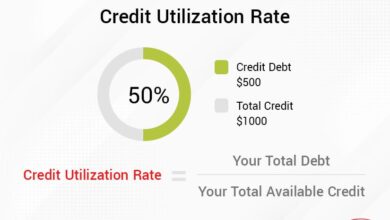
- Understand how credit limits impact your credit utilization ratio, which plays a significant role in your credit score.
Where to Find Information about High Limit Credit Cards
When researching high limit credit cards, consider the following sources to gather relevant information:
- Visit official bank websites to explore their credit card offerings, including details on credit limits, rewards, fees, and eligibility requirements.
- Read reviews and comparisons from reputable financial websites or blogs to get insights into the pros and cons of different high limit cards.
- Consult with financial advisors or credit card experts to seek personalized recommendations based on your financial situation and goals.
Building Credit History
Building a good credit history is crucial when trying to get approved for high limit credit cards as a beginner. Lenders look at your credit history to determine your creditworthiness and ability to manage credit responsibly. Without a solid credit history, it can be challenging to qualify for high limit cards with favorable terms.
Starting Out Strong
To start building a positive credit history as a beginner, consider the following strategies:
- Apply for a secured credit card: Secured credit cards require a cash deposit as collateral, making them more accessible to individuals with limited or no credit history.
- Make timely payments: Paying your bills on time is one of the most important factors in building good credit. Set up automatic payments or reminders to ensure you never miss a due date.
- Keep credit utilization low: Aim to use only a small portion of your available credit to demonstrate responsible credit usage. Ideally, keep your credit utilization below 30%.
Improving Your Credit Score
To increase your chances of approval for high limit cards, focus on improving your credit score:
- Check your credit report regularly: Monitor your credit report for errors or inaccuracies that could be dragging down your score. Dispute any discrepancies and work on resolving negative items.
- Build a mix of credit: Having a diverse credit profile, including different types of credit accounts like credit cards, loans, and a mortgage, can boost your credit score over time.
- Avoid opening too many new accounts: Opening multiple new accounts within a short period can signal to lenders that you are a higher risk borrower. Space out new credit applications strategically.
Applying for the Right Card
When it comes to applying for high limit credit cards as a beginner, it’s essential to choose the right card that aligns with your financial goals and spending habits. Understanding the different types of credit cards and the criteria that card issuers look for can help you make an informed decision.
Types of Credit Cards for Beginners
- Secured Credit Cards: These cards require a security deposit and are a good option for building credit.
- Student Credit Cards: Designed for students with limited credit history, offering lower credit limits.
- Rewards Credit Cards: Earn points or cash back on purchases, but may require a higher credit score.
Criteria for Approval
- Credit Score: Card issuers typically look for a good credit score (usually above 670) for high limit cards.
- Income: A higher income can increase your chances of approval for a high limit card.
- Credit History: A positive credit history with on-time payments and low credit utilization is important.
Choosing the Right Card
- Assess Your Spending Habits: Select a card with rewards or benefits that align with your typical purchases.
- Consider Fees and Interest Rates: Look for cards with low fees and competitive interest rates to save money in the long run.
- Read the Fine Print: Understand the terms and conditions of the card, including any rewards structure or limitations.
Managing Finances Effectively
Managing your finances responsibly is crucial in order to qualify for high limit credit cards. Lenders want to see that you are capable of handling credit responsibly and are not at risk of defaulting on payments.
Importance of Budgeting
Creating and sticking to a budget is a key practice to ensure you can manage your finances effectively. By tracking your income and expenses, you can avoid overspending and accumulating debt that could impact your creditworthiness.
Avoiding Debt with Credit Cards
One of the best practices for using credit cards is to avoid carrying a balance from month to month. Paying off your full statement balance on time each month helps you avoid accruing interest and shows lenders that you can use credit responsibly.
Impact of Late Payments
Late payments can have a significant negative impact on your credit score and your chances of getting approved for high limit credit cards. Make sure to always pay at least the minimum amount due on time to avoid late fees and negative marks on your credit report.
High Credit Utilization
High credit card utilization, or using a large portion of your available credit, can also hurt your credit score and make it harder to qualify for high limit cards. Aim to keep your credit utilization below 30% to show lenders that you are not relying too heavily on credit.
Ending Remarks
In conclusion, mastering the art of securing high limit cards as a beginner requires diligence, knowledge, and financial discipline. By following the outlined steps, individuals can pave the way for a successful credit journey and unlock valuable opportunities for financial growth.